
Why Governments Are Urging Citizens to Stockpile Food and Water Immediately
If you’ve noticed a sudden shift in the news lately, you aren’t alone. Stockpiling emergency supplies used to be the domain of hardcore survivalists, but recent headlines reveal a stark change in tone. Governments across the globe—most notably in the UK—are now officially advising citizens to build up a reserve of tinned food and bottled water at home.
This isn’t about panic buying. According to officials, it’s about “national resilience.” But what exactly is prompting this synchronized push for household emergency kits right now? By looking at the latest warnings from environmental secretaries, meteorological organizations, and defense analysts, a clear and sobering picture emerges.
Here is a breakdown of why officials are sounding the alarm and what you actually need to do about it.
The ‘Supersize’ El Niño Threat
The primary driver behind these new warnings is the climate. Forecasters are currently tracking what the UN has described as a “supersize” El Niño, which some analysts predict could be the biggest we’ve seen in 1,000 years.
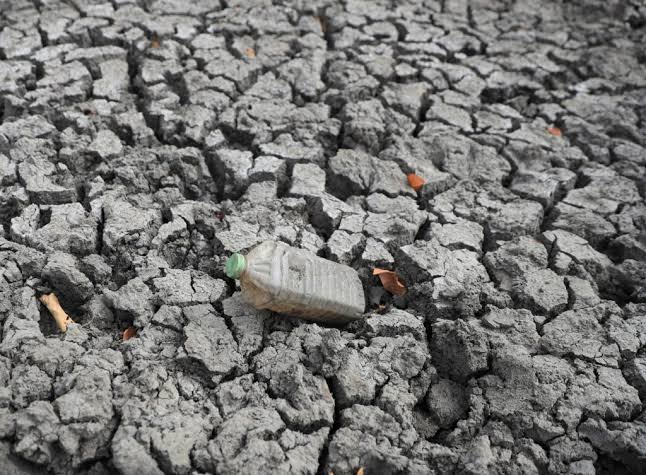
This climate cycle transfers massive amounts of heat from the Pacific Ocean into the atmosphere, completely disrupting global weather patterns. UK Environment Secretary Angela Eagle recently urged citizens to be “a bit more resilient” in the face of what is expected to be a period of intense extreme weather.
The knock-on effects are severe: record-breaking heatwaves have already plunged parts of Europe into drought, while other regions brace for catastrophic flooding and storms. The overarching message is simple—extreme weather can knock out power grids and sever water supplies. Having a few days’ worth of supplies means you can survive comfortably before emergency services are able to reach you.
Growing Geopolitical and Cyber Threats
While climate change is the loudest alarm bell, it isn’t the only one. Governments are quietly accelerating their domestic defense plans in response to growing external threats.
Tensions with Russia have reached a boiling point, with warnings that Western facilities could be considered “legitimate targets” if used to support long-range strikes in Ukraine. Furthermore, intelligence reports highlight a drastic increase in rogue drone activity near military bases and a heightened risk of state-sponsored cyber attacks.
A coordinated cyber attack on national infrastructure could temporarily cripple digital payment systems, shut down grocery store logistics, or disrupt local utilities. The push for household resilience is a strategic move: if the general public can sustain themselves for 72 hours, the government can focus its resources on defending infrastructure and helping the most vulnerable.
The Looming Grocery Price Shock
Even if a major disaster doesn’t strike your immediate area, your wallet is already feeling the pressure. Analysts are warning of a potential food security crisis driven by the compounding effects of back-to-back heatwaves.

Farmers are struggling. Prolonged dry conditions are destroying harvests, and dairy farmers are being forced to use their winter feed early because the grass has simply stopped growing. This agricultural strain naturally leads to shortages and a heavier reliance on expensive foreign imports.
Simultaneously, reports show the baseline cost of groceries is jumping again as parents stock up for the back-to-school season. Building a small stockpile now isn’t just an insurance policy against a power outage; it’s a financial hedge against looming food inflation.
What You Should Actually Buy
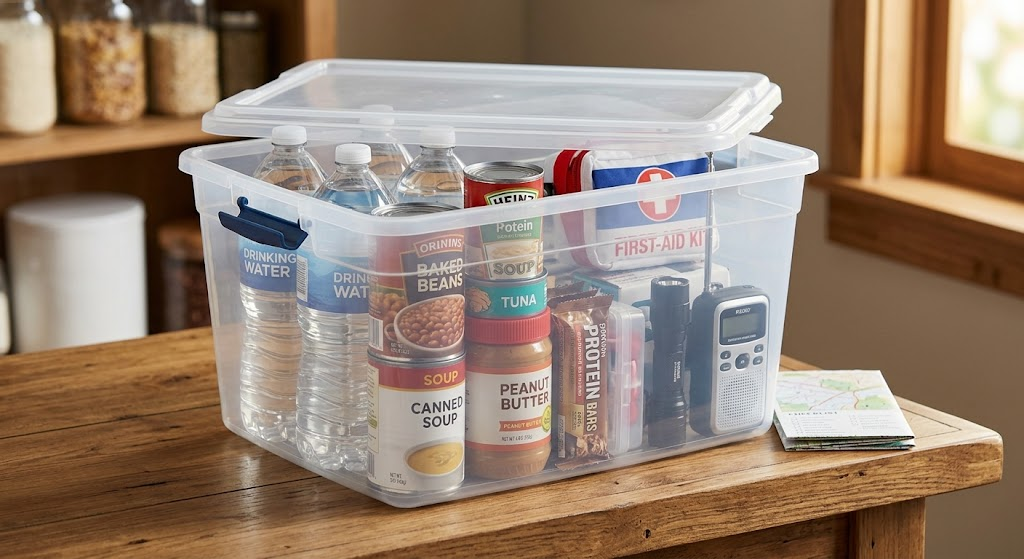
Officials are stressing that this is about common sense, not scaremongering. You don’t need to build an underground bunker or clear out the pasta aisle. The goal is simply to have enough basic sustenance to keep your household going for a few days without electricity or tap water.
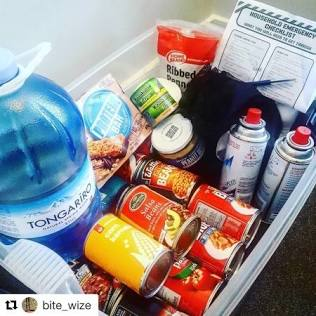
If you are putting together a basic resilience kit, focus on these essentials:
- Bottled Water: The general rule of thumb is one gallon per person, per day, for at least three days (for drinking and basic sanitation).
- Tinned and Canned Foods: Beans, soups, canned vegetables, and canned meats. Ensure you have a manual can opener.
- High-Energy Non-Perishables: Peanut butter, protein bars, nuts, and trail mix.
- Medical Basics: A first-aid kit, pain relievers, and a backup supply of any essential prescription medications.
- Utility Items: A battery-powered or hand-crank radio, flashlights, extra batteries, and a portable power bank for your phone.
The era of relying entirely on just-in-time supply chains may be pausing. By taking a weekend to organize a basic emergency tub in the back of your pantry, you are doing exactly what emergency planners are hoping for—taking personal responsibility for your own resilience.
You Might Also Like
 Climate & Environment
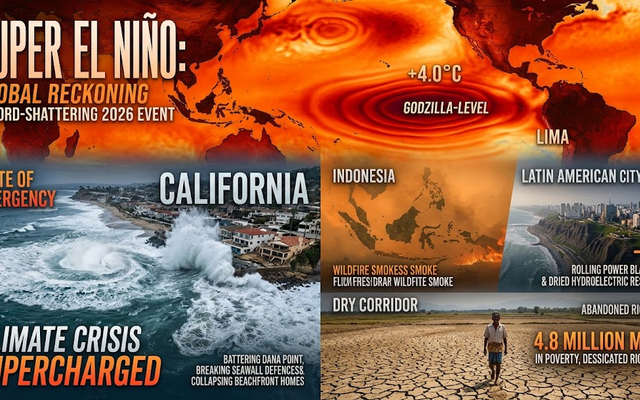
How the 2026 Super El Niño is Rewriting Climate History
The climate phenomenon experts are calling a “jaw-dropping” event has officially arrived, and it is leaving historical models in the...