
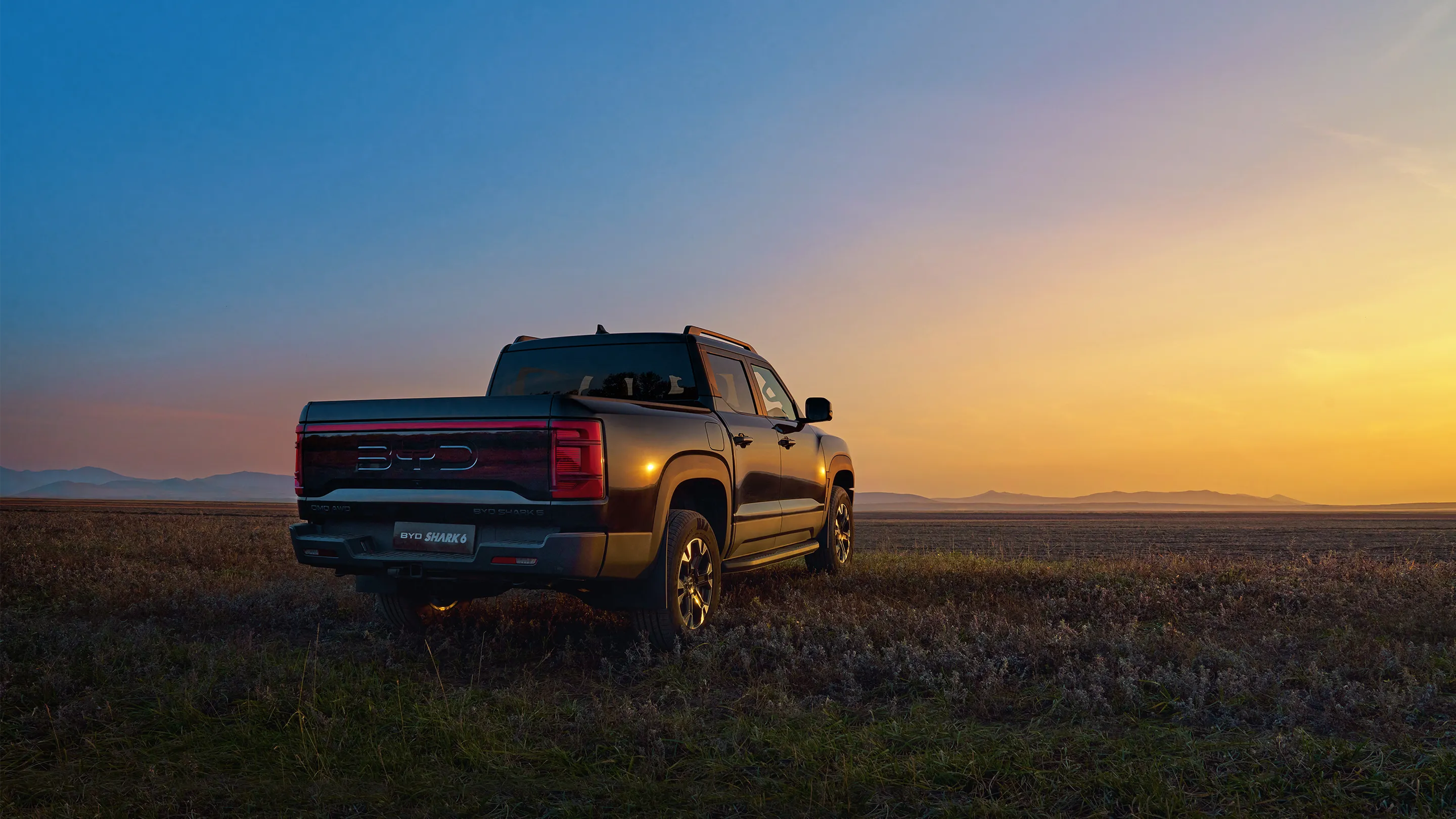
Double Trouble for the BYD Shark 6 – Remote Hacks and Runaway Spare Wheels Spark Major Concerns
The BYD Shark 6 plug-in hybrid ute has been making massive waves in the global market, but recent headlines are threatening to take a bite out of its success. In a bizarre twist of physical and digital safety hazards, the highly anticipated pickup is facing a massive physical recall—alongside a terrifying cybersecurity vulnerability that allowed experts to remotely hijack the vehicle.
If you own a 2024–2026 BYD Shark 6, here is everything you need to know about the two major safety crises hitting the Chinese automaker’s flagship ute.
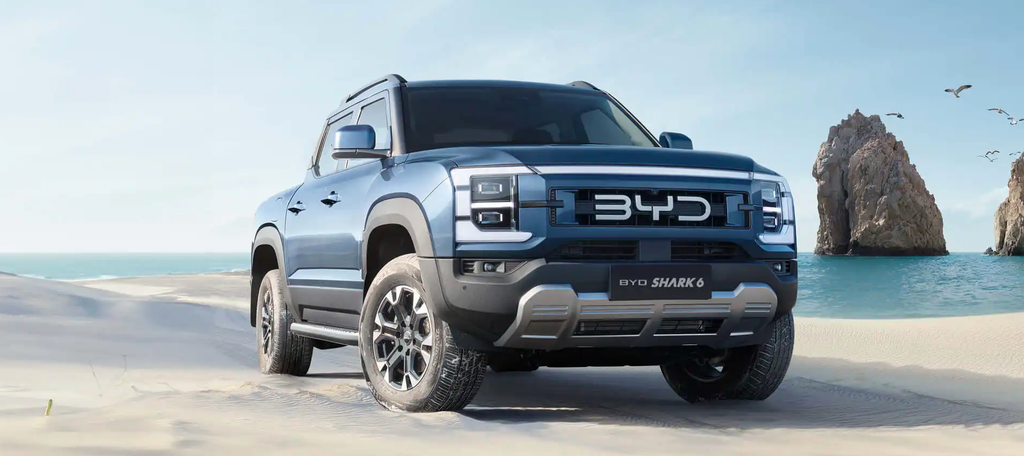
The Physical Threat Runaway Spare Wheels
In its first major mass recall down under, BYD has recalled over 32,000 Shark 6 utes in Australia alone. The recall, which also affects select markets including New Zealand and South Africa, was issued due to a potentially fatal flaw in the vehicle’s spare wheel assembly.
According to safety notices, the spare wheel support cable can experience abnormal wear and tear due to incorrect installation, poor tray positioning, or insufficient fastening torque during the manufacturing process.
What happens if it fails? The constant movement and friction of driving can cause the support cable to snap entirely. If this happens at highway speeds, the heavy spare wheel can drop off the vehicle and bounce into traffic, creating a massive hazard for other drivers and pedestrians.
Which models are affected?
- Premium variants Built between August 29, 2024, and June 12, 2026.
- Performance variants Built between January 27, 2026, and June 15, 2026.
- Dynamic variants Built between September 26, 2025, and April 15, 2026.
BYD is urging current owners to physically remove their spare wheel until they can visit a dealer to have the “Spare Wheel Lifter Assembly” replaced free of charge.
The Digital Threat Remotely Hacked and Hijacked
As if dropping spare tires onto the freeway wasn’t enough, the Shark 6 has also been caught in the crosshairs of a major cyber safety test. Cybersecurity experts recently demonstrated how shockingly open the BYD Shark 6 is to remote hacking.
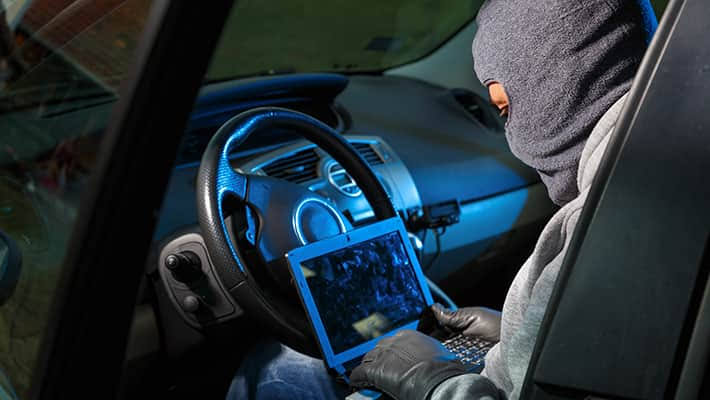
During a targeted penetration test conducted by an Australian news outlet and cybersecurity researchers, experts were able to breach the vehicle’s digital infrastructure while it was in motion. The hack allowed external users to bypass the truck’s security protocols, giving them the ability to turn the headlights on and off, activate the wipers at top speed, and control the infotainment screen.
Even more alarming was the surveillance risk. The hacker was able to access the cabin microphone to record audio and manipulate the voice assistant to extract personal information from a connected smartphone.
While modern vehicles are essentially rolling computers, the ease with which the BYD Shark 6 was compromised has raised serious red flags about the brand’s data security and digital firewalls. Consumer advocates are warning that as we transition to fully connected smart vehicles, cybersecurity needs to be treated with the same urgency as a faulty brake line or a detached wheel.
The Bottom Line
The BYD Shark 6 offers incredible value and impressive hybrid technology, but these dual incidents serve as a wake-up call for early adopters. Whether it’s a mechanical failure that sends a tire flying down the road or a digital loophole that puts your privacy in the hands of hackers, BYD has serious work to do to restore consumer trust.
If you own an affected model, contact your local BYD dealership immediately to arrange for the mechanical recall, and keep your vehicle’s software updated to patch any emerging digital vulnerabilities.