
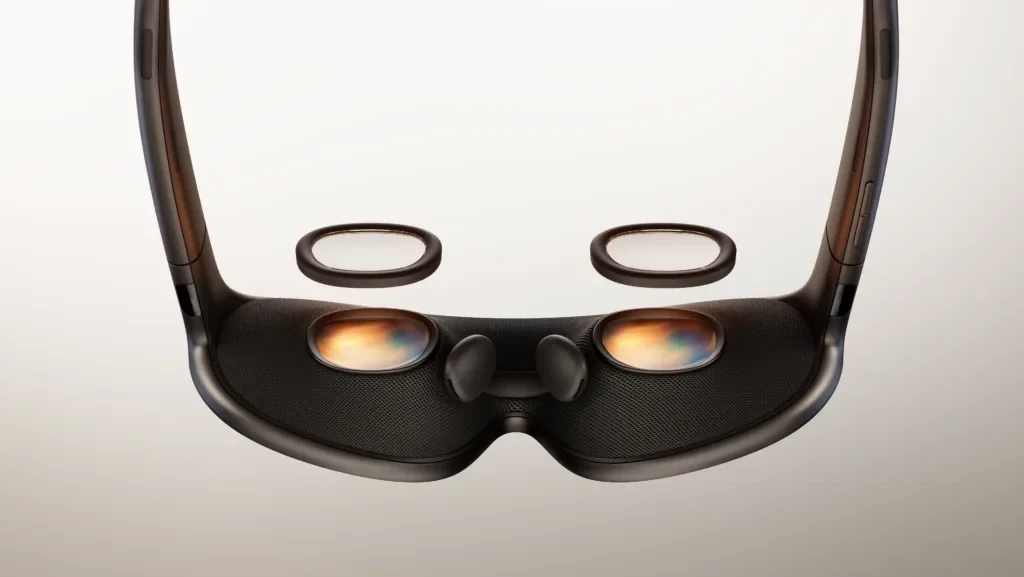
Meta’s New 100g VR Glasses Will Shake Up Virtual Reality And The Online Reviews Are Going Wild
Meta just unveiled the $1,299 Meta VR Glasses. Weighing only 100 grams, it's a massive shake-up for virtual reality. Read what top online reviews and tech journalists are saying about Project Phoenix.
Let’s be real for a second. The biggest reason most of us abandoned virtual reality after a few weeks wasn’t a lack of good games. It was the fact that strapping a heavy, sweaty plastic brick to your face gets old incredibly fast.
But #Meta just threw a massive shake-up into the ring.
After months of whispers about a secret hardware project codenamed “Phoenix,” Meta officially pulled the curtain back on the Meta VR Glasses. Priced at a steep $1,299.99 and hitting shelves in Spring 2027, this isn’t just another headset. It’s a complete reimagining of what wearable tech can be.
Since we aren’t strapping a prototype to our own faces just yet, we spent the last 24 hours combing through the hands-on impressions, leaks, and deep-dive reviews from top tech journalists across the web. Here is the internet’s unfiltered consensus on Meta’s boldest hardware move yet.
Ditching the Brick on Your Face
The headline feature everyone is talking about is the weight. Or rather, the lack of it.
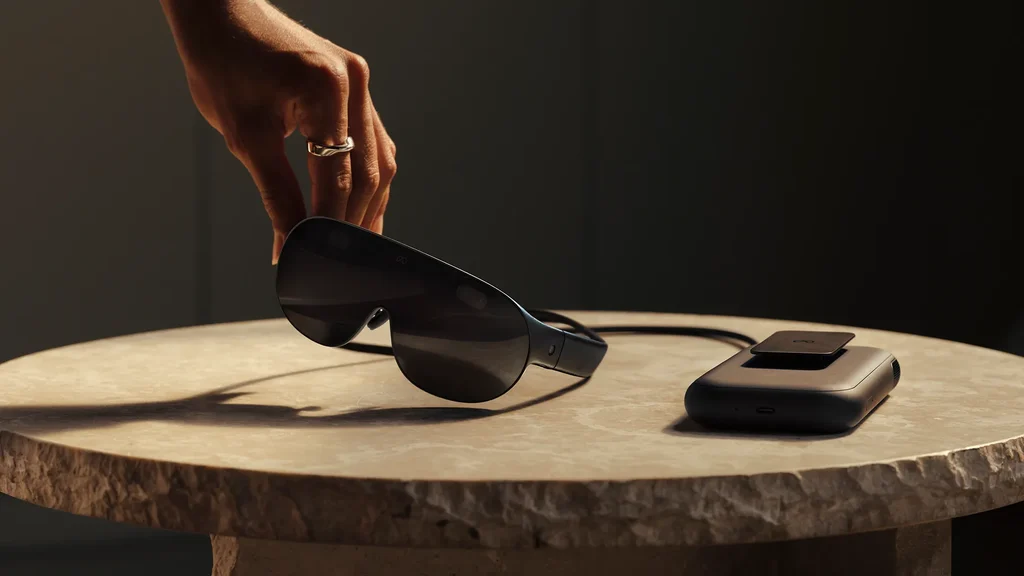
The glasses themselves weigh roughly 100 grams. To put that into perspective, the current Meta Quest 3 weighs 515 grams. Meta managed to slash the facial weight by 80% by completely changing the architecture of the device.
According to hands-on impressions from Axios, who spent time with a prototype, Meta moved all the heavy components—the battery, the Snapdragon Reality Elite processor, and the storage—into a separate, pocket-sized “puck.” This puck connects to the glasses via a thin optical tether.
The team over at Phandroid pointed out that this is exactly the fix that VR fatigue needed. While you still have to carry the 300-gram puck in your pocket or clip it to your belt, the actual weight on your nose and cheekbones is practically non-existent. Reviewers are calling it the first “Apple Vision Pro-class” visual experience in a form factor you wouldn’t be embarrassed to wear on an airplane.
A Personal Cinema That Could Replace Your TV
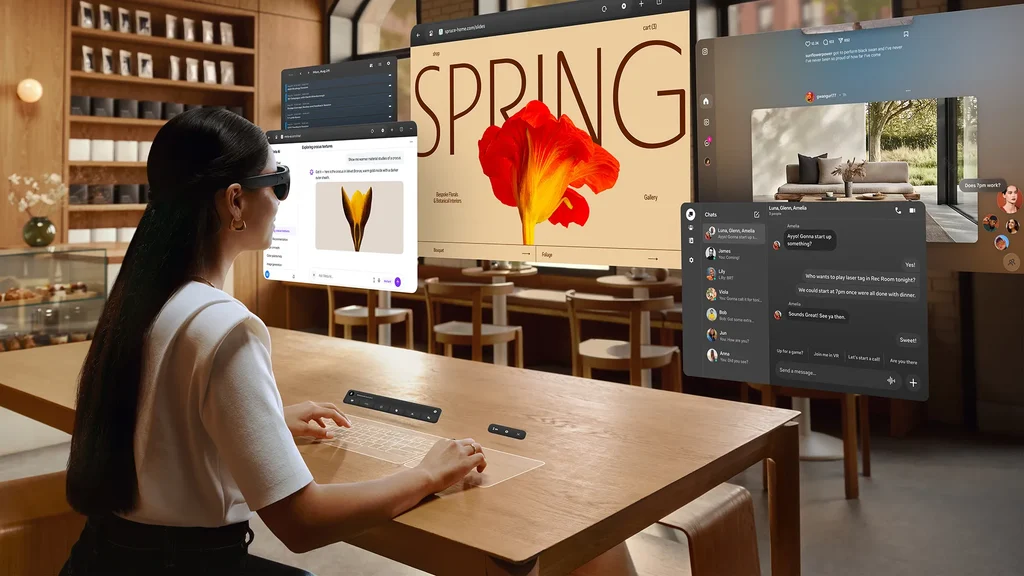
If you are wondering what you actually do with a 100-gram headset, the online consensus points heavily toward media consumption.
Men’s Journal didn’t mince words, suggesting these glasses could legitimately replace your living room TV. Meta is leaning hard into this, boasting that the device features a 5K Infinite Display built on micro-OLED panels with ultra-compact pancake lenses. We are talking about 37 pixels per degree, Dolby Vision, and integrated Dolby Atmos spatial audio.
But it’s not just about watching Netflix. Meta announced that this is the first-ever IMAX Enhanced certified VR device. Furthermore, they’ve secured partnerships with ESPN and TNT Sports to offer immersive, courtside-style seats for over 100 live US sports events every year.
The Privacy Move Everyone Is Talking About
One of the most fascinating takeaways from the early reviews revolves around what the glasses don’t have.
As Reuters noted earlier this week, privacy concerns regarding wearable tech have been growing rapidly. In a surprising pivot, Meta’s new VR glasses do not feature outward-facing cameras. Unlike their Ray-Ban smart glasses which are built for capturing photos and videos, the VR Glasses are strictly for viewing and interacting with digital spaces.
Tech reviewers are highlighting this as a massive strategic move. By removing the cameras, Meta is signaling that this device is meant to be worn in public spaces, offices, and cafes without triggering the privacy alarms that usually accompany face-mounted tech.
The Catch? The Price and The Ecosystem
Of course, the internet being the internet, reviewers were quick to point out the hurdles.
First, the price. At $1,299.99, it is more than double the cost of a 512GB Quest 3. Mashable’s comparison piece highlighted that while the visual fidelity blows the Quest 3 out of the water, the Quest 3 remains the undisputed king of budget-friendly, standalone VR for the foreseeable future. Furthermore, the new glasses do not come with physical controllers in the box. You navigate the OS using eye-tracking, voice commands via the integrated Meta AI, and hand gestures (like pinching your fingers to select). If you want to play traditional games, you have to pair your old Quest 3 controllers.
However, the developer community is already hyped. BusinessWire and Game Developer reported that Unity is providing Day-One support for the Meta VR Glasses. This is a massive deal. It means developers can instantly port their existing VR apps and games to this new lightweight format without having to rebuild their software from scratch. Meta also claims that over 75 games and apps already work flawlessly with hand-tracking alone, alongside day-one streaming support for Xbox, Disney+, and Prime Video.
The Final Verdict From The Web
So, is the tech world impressed? Overwhelmingly, yes—but with an asterisk.
The general consensus from early reviews is that Meta has finally solved the “wearability” problem that has plagued the VR industry for a decade. By combining the visual muscle of a high-end headset with the form factor of thick sunglasses, they have created a device that bridges the gap between hardcore gaming and casual, everyday computing.
If you are shopping for a headset this holiday season, reviewers agree the Quest 3 is still the way to go. But if comfort is the reason you gave up on VR in the past, the internet says it might be time to start saving your money for Spring 2027. The VR shake-up is officially here.
You Might Also Like
 Mind & Money
Shake Proof – How to Stay Sane and Solvent in 2026 While Everything Else Rewrites Itself
The world is shaking in 2026 but your mind and your bank account don't have to shake with it. Here...