
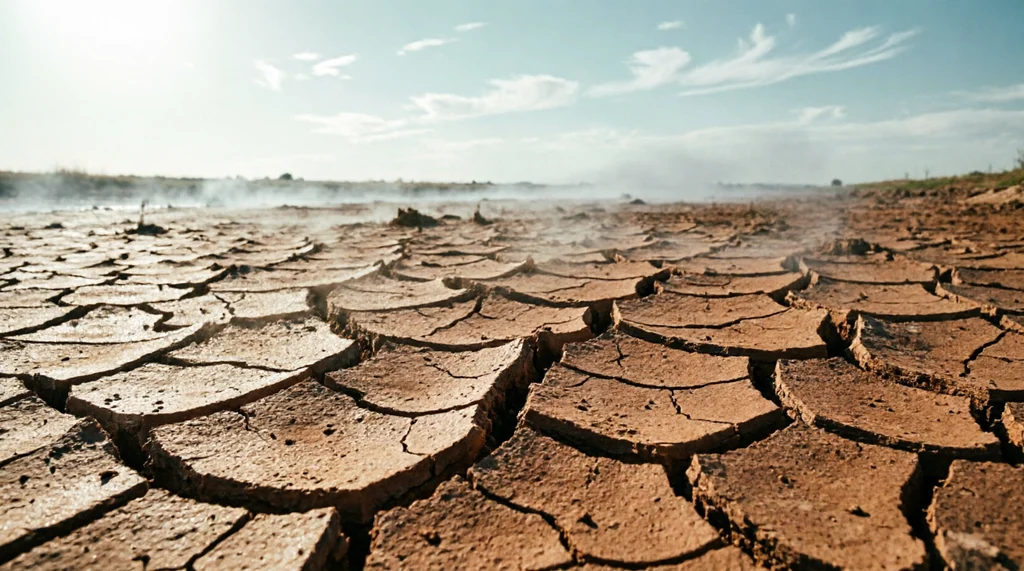
Earth Begins To Shake As Record Heatwaves Trigger Global Whiplash
From barren alpine rock deserts to deadly European thermal domes, extreme weather volatility is rewriting the rules of the seasons.
The Alps are literally collapsing from the inside out. Imagine standing on a mountain flank that used to be buried under hundreds of meters of solid ice, only to find a barren rock desert dotted with scattered, melting blocks. This is the stark reality for scientists witnessing an unprecedented explosion in melt rates. In just the first eight months of 2026, monitoring networks recorded a 5.5 percent shrinkage in Alpine glacier volume. To put that into perspective, nearly one-fifth of the total ice has simply evaporated since 2021.
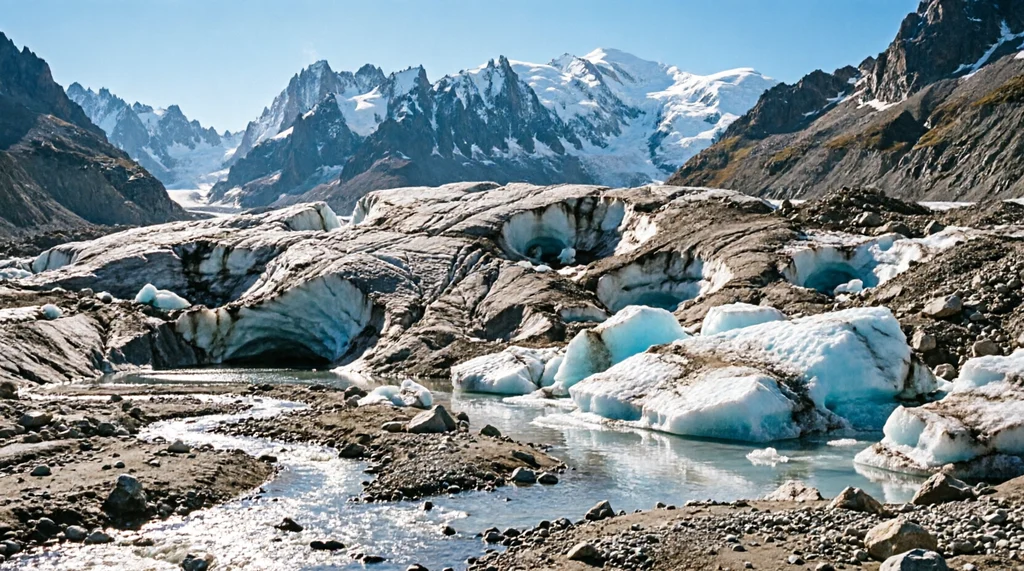
The ice isn’t just weeping on the surface. Subglacial streams are carving out massive internal caverns, creating voids that resemble Swiss cheese before the structural roofs of the glaciers inevitably cave in. This internal disintegration is tearing the ice fields apart at an accelerated pace. Between July and September alone, an estimated 2.2 trillion liters of water disappeared from these frozen reservoirs—a volume more than four times the annual drinking water consumption of all local households combined. The retreat is so aggressive that some once-thriving glaciers, heavily monitored since the 1950s, have lost 99 percent of their total area in just two decades.
The problem was compounded by a protective snow cover that vanished far too early. Usually, this white blanket reflects sunlight and shields the ancient ice beneath. This year, it was already partially gone by the June heatwaves and had completely disappeared by September, even at high altitudes, leaving the dark ice exposed to relentless solar radiation.
This catastrophic loss of ice is the direct result of a snow-poor winter followed by a summer where June, July, and August broke all historical temperature records going back to 1864. But the heat didn’t just target the high altitudes. It settled heavily over Western #Europe, turning the season into a deadly trap.
Heat is a silent multiplier, exacerbating existing illnesses and proving particularly lethal to the elderly, young children, and outdoor workers exposed to high temperatures for extended periods. The worst single day of the summer hit in early July, pushing emergency medical services to their absolute limits as the average regional temperatures sat a staggering 2.5 degrees Celsius above the late 20th-century baseline. Across five nations, the relentless thermal dome claimed more than 34,600 lives. Germany recorded its highest heat-related mortality in a decade, with thousands perishing during a late June wave alone. Spain endured its deadliest summer since tracking began in 2015, logging over 61 distinct heatwave days, while France reported nearly 8,000 casualties linked to three major thermal events.
The thermal assault extended beyond the landmass and directly into the water. The Mediterranean Sea recently registered its highest number of marine heatwave days in the past twenty years, with average sea surface temperatures sitting at 1.23 degrees Celsius above the historical baseline. The eastern basin took the hardest hit, experiencing the longest and most intense stretches of unusually hot water recorded in two decades. Satellite observations highlight a long-term trend where the basin’s temperature has been creeping up by nearly a third of a degree every ten years. This slow but steady warming is slowly cooking marine ecosystems, altering habitats, and threatening biodiversity that relies on stable, cool currents to survive.
While the continent bakes, weather patterns are creating jarring meteorological contradictions in other corners of the world. Early October in Central Asia is bringing a violent atmospheric whiplash. A northern cyclone is currently sweeping through the steppes, dumping rain, snow, and ground blizzards under howling wind gusts of up to 28 meters per second. Black ice and ground frosts are plunging the northern and central regions into freezing conditions, with nighttime temperatures dropping well below zero and daytime highs struggling to reach single digits.
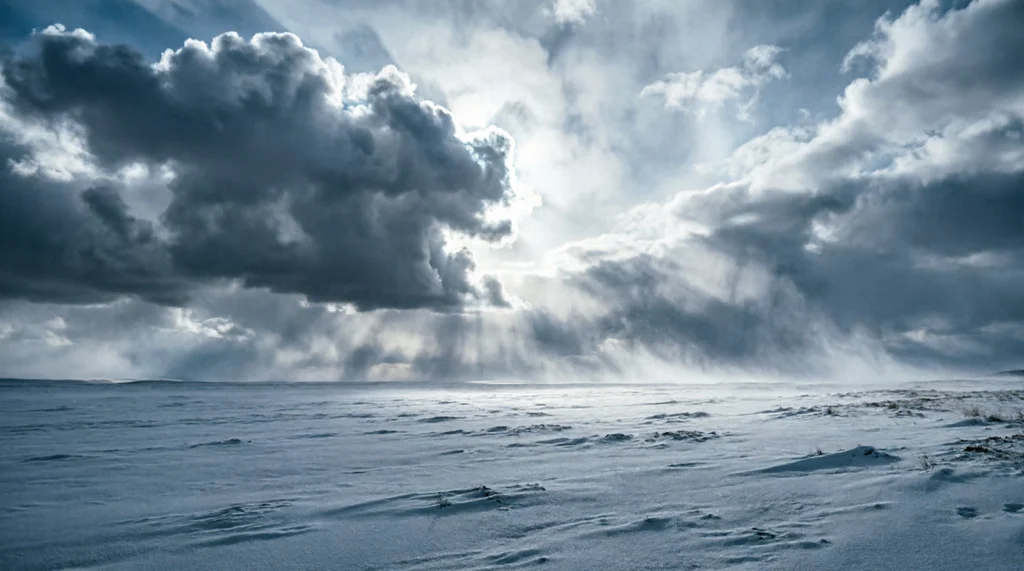
The sharp temperature swings highlight a highly unpredictable atmosphere. While the north braces for nighttime lows of minus eight degrees, the southern territories are preparing for a bizarre summer-like bounce back. By the middle of the month, those southern steppes are expected to see daytime temperatures surge into the high twenties and even approach thirty degrees Celsius, completely ignoring the deep freeze gripping the northern latitudes.
Half a world away, the traditional autumn chill is completely missing from Southern California. An extreme extended heatwave is gripping Pasadena and the San Gabriel Valley, pushing thermometers well past their seasonal limits. Local meteorologists have issued warnings that the intense heat could persist even longer than initially forecast. Sunny skies will dominate, pushing daytime highs to 101 degrees Fahrenheit on weekends, while the concrete and asphalt of the valley trap the heat long after sunset. With overnight lows stubbornly refusing to drop below the low seventies, the region is locked in a stifling loop where summer simply refuses to end, forcing residents to make urgent plans to stay cool.
The planet is oscillating between deep freezes, boiling seas, and collapsing mountains. We are no longer waiting for the climate of the future to arrive; we are standing in the barren rock deserts it left behind.
You Might Also Like
 Climate & Environment
How the 2026 Super El Niño is Rewriting Climate History
The climate phenomenon experts are calling a “jaw-dropping” event has officially arrived, and it is leaving historical models in the...
 Climate & Environment
Why Governments Are Urging Citizens to Stockpile Food and Water Immediately
If you’ve noticed a sudden shift in the news lately, you aren’t alone. Stockpiling emergency supplies used to be the...