
The Great Robotaxi Shake How Viral App Screenshots And A Grey Kitten Grounded The Driverless Dream
From malfunctioning butterfly doors to nocturnal felines, the reality of hailing a driverless car is being rewritten by everyday riders and unexpected roadblocks.

The promise of the driverless future was always sold as frictionless. You tap a screen, a pod arrives, and you glide to your destination. But as autonomous fleets hit the pavement in major cities, the reality is proving far messier. The current #robotaxi shake is not being dictated by Silicon Valley engineers in sterile labs. It is being shaped by everyday passengers sharing viral screenshots of app curfews, frustrated commuters dealing with malfunctioning doors, and a surprising nocturnal road hazard.
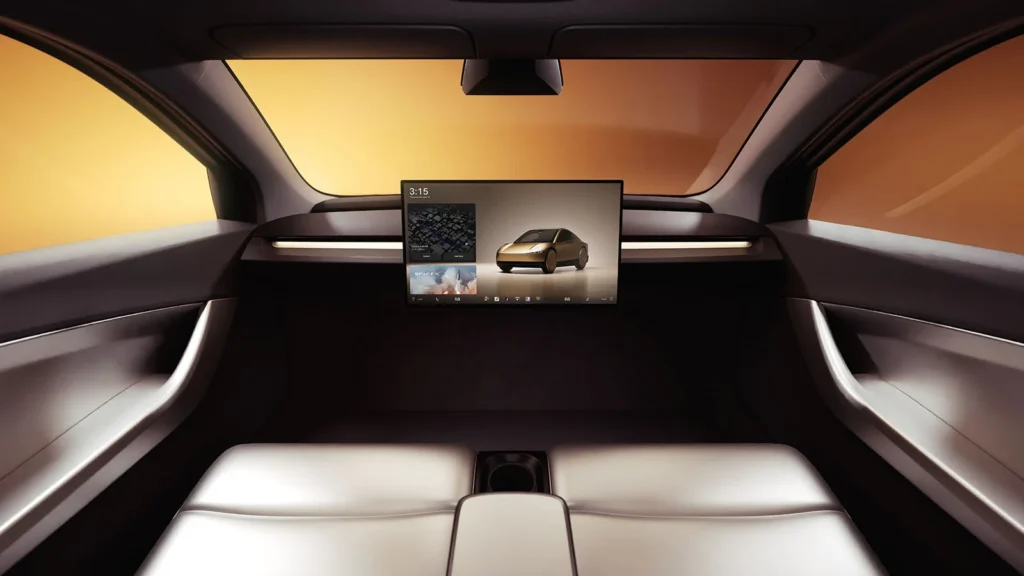
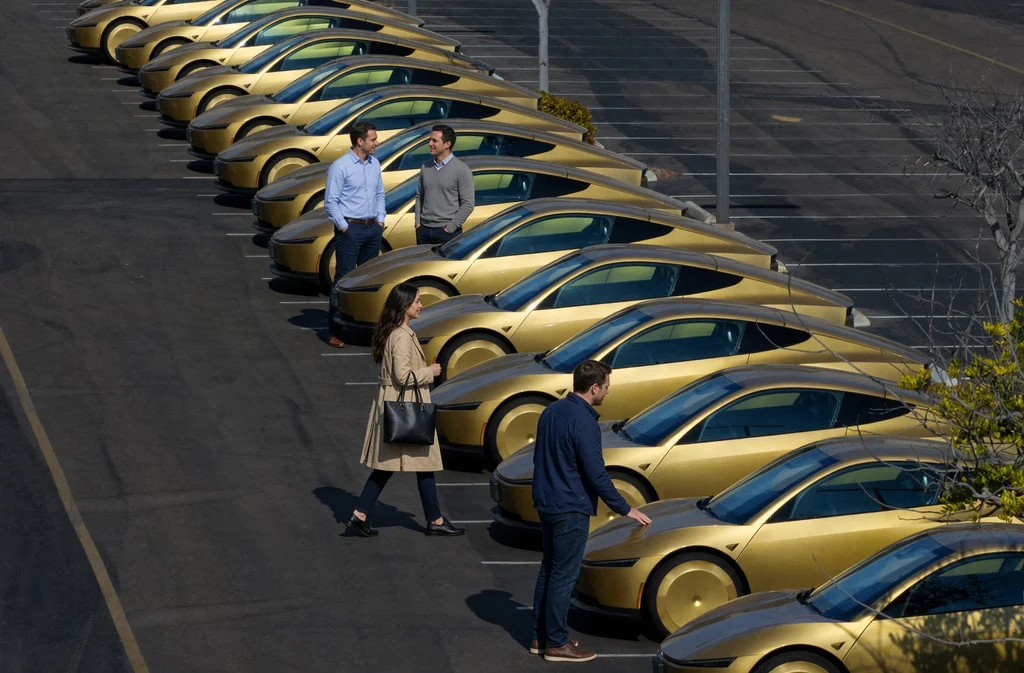
In Austin, where the #Cybercab service recently expanded to over 160 authorized vehicles, the honeymoon phase met a harsh reality check. Early riders quickly took to social media to document the friction. Viral posts highlighted lengthy wait times, vehicles dropping passengers at incorrect locations, and technical glitches with the vehicle’s signature butterfly doors and trunks refusing to close properly.
But the most explosive user-generated moment came when riders began posting screenshots of a rigid 6 a.m. to 10 p.m. operating window. The internet wanted to know why a multi-billion-dollar autonomous fleet was pulling off the road before midnight.
The answer came straight from the top. The primary limitation on round-the-clock service is not a lack of batteries or human supervisors. It is the fear of running over pets. Because the system relies entirely on a camera-first approach without the LiDAR sensors used by competitors, the AI struggles with low-light contrast. The goal, as publicly stated, is literally to avoid “grey kittens on grey tarmac in the dark.” Until the vision software can confidently distinguish a small, dark-colored animal on unlit asphalt, the fleets in Austin, Dallas, Houston, Miami, Orlando, and Tampa are forced into a nightly curfew.

This feline roadblock is just one piece of a much larger global regulatory shake. Lawmakers are stepping in to manage the chaos of early adoption. In California, new legislation will soon penalize autonomous operators if their vehicles block first responders like ambulances and fire trucks for more than thirty minutes. This crackdown follows highly publicized incidents where driverless cars became stranded in gridlock or lost power during traffic light outages, effectively turning city intersections into obstacle courses. To comply, companies will be forced to employ US-based remote drivers and deploy local incident technicians to physically move stranded vehicles.
Meanwhile, across the Atlantic, the rollout looks entirely different. In the Furttal valley near Zurich, the first Swiss robotaxi pilot recently launched. Unlike the aggressive, steering-wheel-free deployments in the United States, this European experiment relies on designated stops, safety drivers behind the wheel, and strict afternoon operating hours. For roughly eight dollars a ride, locals are testing how autonomous tech integrates with quiet suburban railway lines rather than conquering chaotic downtown grids.

Back in the commercial hot zones, the vehicles are facing brutal environmental stress tests. Recent footage circulating online shows Cybercabs navigating heavy downpours without hesitation. Since rain degrades camera visibility and creates unpredictable road reflections, proving wet-weather reliability is a massive hurdle for a vision-only system. If these two-seat, pedal-free pods can master tropical thunderstorms and standing water, the target of offering rides for under thirty cents a mile might actually become a commercial reality.
Financial analysts are watching this friction closely. Despite a rocky year for traditional automotive sales, industry strategists are pointing to the convergence of these driverless platforms and humanoid robotics as the catalyst for a potential golden year in 2027. The transition from selling physical cars to operating a massive, automated transit network hinges entirely on solving these granular, real-world edge cases.
Every time a passenger posts a screenshot of a glitched pickup location, or a rainstorm forces a fleet to pause, the algorithms learn. The road to full autonomy is not being paved with code alone. It is being paved by the messy, unpredictable, and highly visible daily commutes of ordinary people who just want to get home without their door getting stuck.
Frequently Asked Questions
Why can't robotaxis run 24 hours a day?
Current camera-only systems struggle to detect small, low-contrast objects like pets on dark roads at night. To ensure animal safety, operators have implemented temporary curfews until the vision software improves.
Are robotaxis safe in heavy rain?
Yes, recent tests show advanced AI hardware can navigate heavy precipitation. However, extreme weather like standing water or severe thunderstorms may still cause temporary service pauses while the technology matures.
How much does a robotaxi ride cost?
Pricing varies by region. In US pilot markets, the long-term goal is to drop operating costs below $0.30 per mile. In European pilots, like Switzerland, short suburban rides currently cost around $8.50.
You Might Also Like
 Apple Ecosystem
Apple HomeView Could Shake the Smart Home Race
Apple’s new $299 display tries to make the home screen personal, private, and hard to ignore.
 Artificial Intelligence
How Meta’s Muse Wonder Plans To Shake Up The AI Agent Market
The tech giant just dropped its most capable models yet, aiming to turn passive chatbots into proactive digital partners that...
 Artificial Intelligence
The GPU Gold Rush Died. A New One Was Born. And This Time, It’s Personal
Remember 2021? Of course you do. You couldn’t buy a graphics card to save your life. Every RTX 3080, every...